Don't Just Fill Out a Form: How to Actually Reach a Creative Studio (And Get a Reply)

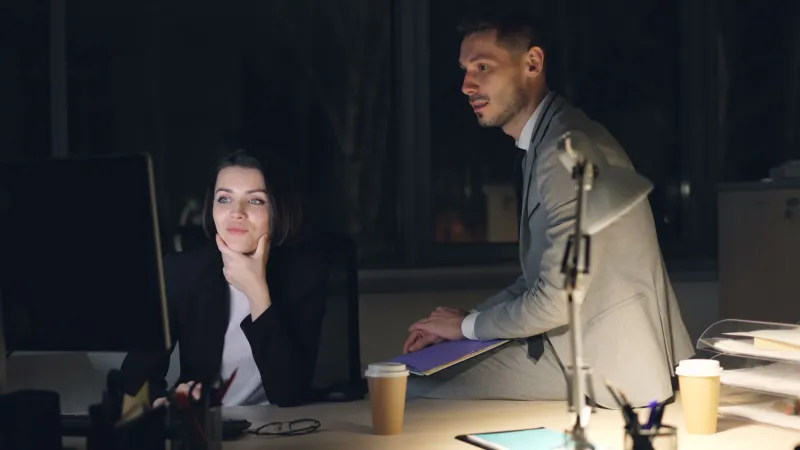
Photo by Photo by Hanna Lazar on Unsplash on Unsplash
Every studio website has one. The little 'Contact' link sitting quietly in the footer or the top nav, waiting for someone to click it. And yet, for a page that every single client eventually passes through, almost nobody talks about what actually happens on the other side of that form.
So let's pull back the curtain. If you've ever wondered whether your message disappeared into a void, why a studio took three days to reply, or what you should actually say to get a fast, enthusiastic response — this one's for you.
What Happens After You Hit Send
At most small studios, there's no automated ticketing system, no offshore support desk, no chatbot named after a fruit. There's usually one person — maybe two — who checks the inbox between renders, client calls, and the twelve other things competing for their attention.
That means your message isn't being triaged by software. It's being triaged by a human who's mid-project. The good news: humans respond to clarity and enthusiasm. The bad news: humans also quietly deprioritize messages that look like work before the work has even started.
The Messages That Get Replies (And the Ones That Don't)
After enough back-and-forth with incoming inquiries, patterns emerge fast. Here's the honest breakdown:
Messages that get answered quickly:
- A short intro with a real name and a real company
- A one-or-two sentence description of the project
- A rough budget range or at least a budget 'ballpark'
- A timeline, even a loose one
- A link to work, a deck, or a reference
Messages that sit in the inbox:
- 'Hi, I'd like to discuss a project' (and nothing else)
- A wall of text with no clear ask
- Anything that opens with 'Dear Sir/Madam'
- Requests for 'a full portfolio and price list' with zero context
None of this is about being picky. It's about signal. A studio can tell within two sentences whether someone is serious, and serious people get moved to the front of the line. It's not fair, exactly — but it's how busy creative shops actually operate.
Why Budget Talk Isn't Rude — It's Kind
There's a persistent fear, especially among first-time clients, that naming a budget will somehow cost them money. The logic goes: if I say $10K, they'll charge me $10K. In reality, the opposite happens.
When you share a budget range, you do the studio a favor: it lets them scope honestly. A $5K project and a $50K project might both be 'a brand video,' but they are completely different animals — different team sizes, different revision rounds, different everything. Studios would rather turn down a mismatched project politely than discover the mismatch three weeks in.
If you genuinely don't know your budget, say so — and share what you're comparing against. 'We saw a studio we liked charging around $15K for something similar' is incredibly useful information.
Timing: The Unsexy Truth
Here's something nobody puts on their contact page: most creative studios book out weeks or months in advance. If you email on a Tuesday asking for a full animated explainer by Friday, the reply — if it comes — will be a gentle no.
The sweet spot for reaching out is early. Ideally before you strictly need the work, when there's still room in the schedule to do it right. At Studio 637, the best projects almost always start with a conversation that happened 'too early' by the client's standards. Early conversations give everyone room to think, sketch, and push back.
What We Wish Every First Message Included
If we could hand every potential client a template, it would look something like this:
Hey — I'm [name] from [company]. We're working on [project type] and need [deliverable] by roughly [timeframe]. Budget's probably in the [range] neighborhood. Here's a link to what we're making / who we are: [link]. Are you available, and what would you need from us to get started?
That's it. Five sentences. It tells the studio everything they need to decide whether to schedule a call, and it signals that you respect their time — which, in creative work, is the same thing as respecting the craft.
The Form Isn't a Barrier. It's a Filter.
Some people resent contact forms. They'd rather find an email address, or better yet, a phone number, or better yet, just walk into the building. We get it — forms feel impersonal.
But here's the reframe: a contact form isn't there to keep you out. It's there to organize the flood so that every serious message gets a real, thoughtful reply instead of getting lost. It protects the thing you actually want, which is attention.
So the next time you're staring at a studio's contact page wondering what to write, remember: the studios doing the best work are also the busiest. A clear, warm, specific message doesn't just get you a faster reply — it starts the project off on the right foot before anyone's opened a design file.
And if you're reading this because you clicked our contact link and wanted to know what you'd be walking into: now you know. We read everything. We reply to the serious ones fast. And the best first messages? They're the ones that read like they were written by someone who'd be great to work with — because they usually are.