The Invisible Invoice: What Clients Never See — and Why That's Costing You

There's a particular kind of silence that happens when a client opens a final file for the first time. No gasping, no questions — just a quiet "looks great" and a request for the invoice. For the studio on the other side of that exchange, that silence can feel like a gut punch dressed up as a compliment.
Because what the client saw took three weeks. What they didn't see took everything else.
The Tab Nobody Talks About
Let's start with the tools. A mid-sized digital studio running serious creative work in 2024 is probably carrying subscriptions and licenses that would make a freelancer's eyes water. Adobe Creative Cloud. Cinema 4D or Houdini. Redshift or Octane for rendering. A project management stack. Cloud storage. Font licenses. Stock asset libraries. Plugin bundles that solve one very specific problem but cost $300 a year to solve it.
None of this shows up on a client-facing estimate. It's baked into overhead, which means it's quietly subsidized by every project that comes through the door — including the ones priced too low.
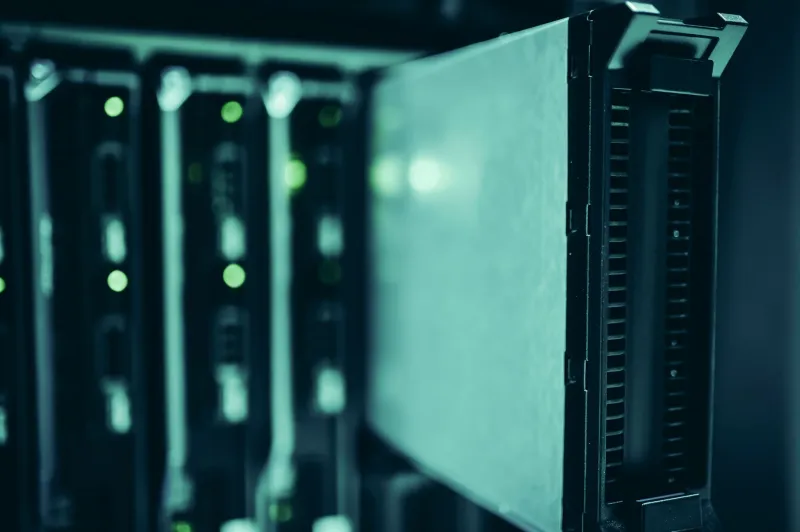
And hardware? A render machine capable of turning around complex 3D animation in a reasonable timeframe isn't a laptop from Best Buy. Studios are sitting on tens of thousands of dollars in equipment that depreciates, breaks, and needs upgrading on a cycle that doesn't care about your cash flow situation.
The math is uncomfortable: by the time you account for tooling, infrastructure, and the actual hours a project consumes, the margin on "premium" creative work is often much thinner than the rate card suggests.
Iteration Is the Product — But It's Also the Problem
Here's something most studios won't say out loud: the version the client approved wasn't the first one. Or the fifth. Sometimes it wasn't even close to the direction the project started in.
Obsessive craft means killing your darlings on a schedule. It means building something, stepping back, deciding it's not quite right, and rebuilding it — not because the client asked, but because the work demanded it. That internal quality bar is exactly what separates studios doing interesting work from studios just shipping files.
But those iterations are invisible to everyone outside the room. The client sees the final cut. They don't see the version that was technically competent but felt flat, or the color treatment that looked incredible on a reference board and fell apart in execution, or the three typography systems that got tested before the right one clicked.
When a deliverable looks effortless, it's often because the studio absorbed all the difficulty so the client didn't have to. That's a service. It just doesn't have a line item.
Why "Effortless" Is Costing You Money
The cruel irony of great craft is that it erases its own footprints. The better you are at what you do, the more seamless the result — and the harder it becomes to justify your rate to someone who doesn't understand what went into it.
This is a pricing problem, but it's also a communication problem. Studios that charge premium rates and deliver polished work without any context are essentially asking clients to take the value on faith. Some will. Many won't, especially when a cheaper option is sitting in their inbox promising "the same thing" for half the price.
The studios getting this right aren't necessarily the ones doing better work. They're the ones doing a better job of making the work legible.
Process Transparency as a Competitive Edge
There's a growing movement — you can see it across agency blogs, creative Instagram accounts, and portfolio case studies — toward showing the mess. Not in a self-indulgent way, but strategically. Studios that document their process, share early iterations, and walk clients through the decision-making behind key creative choices are doing something smart: they're building perceived value in real time.
When a client sees that a logo went through eight distinct directions before landing on the one they approved, the final mark means something different. When a motion piece is accompanied by a breakdown showing the reference gathering, the styleframe development, and the render tests, the deliverable carries context. And context is what makes pricing feel earned rather than arbitrary.
Some studios have taken this further, building process documentation directly into their client experience. Progress check-ins that show work in stages. Behind-the-scenes reels that live on their websites. Detailed case studies that treat the journey as part of the story. It's not just good marketing — it's a buffer against the "why does this cost so much" conversation that every studio dreads.
Rethinking What You're Actually Selling
Part of the problem is a framing issue that runs deep in the creative industry. Studios often sell deliverables — a logo, a video, a website — when what they're actually providing is judgment. The ability to know what's right, to recognize when something isn't working, and to keep pushing until it does.
That judgment is built from years of practice, failed experiments, expensive mistakes, and the kind of taste that only develops through genuine obsession with the craft. It's not something that scales down to an hourly rate or fits neatly into a project scope.
The studios figuring this out are reorienting their pitches around outcomes and expertise rather than deliverables and hours. They're positioning the invisible work — the iterations, the tooling, the standards — not as overhead to be hidden, but as evidence of a process worth paying for.
The Long Game
None of this is easy, and it doesn't fix the immediate cash flow reality of running a studio where the expenses are real and the margins are thin. But the studios that survive long enough to build something meaningful tend to be the ones that stopped apologizing for what great work costs.
They got comfortable talking about process. They built clients who understood what they were buying. They stopped treating the invisible work as a liability and started treating it as proof of something.
The craft tax is real. The question is whether you're absorbing it quietly — or making it part of the story you tell.